

The story of the world’s longest calligraphy scroll is not only a story of artistic dedication, cultural heritage and an extraordinary world record. It is also a story of traditional Nepali craftsmanship, handmade Tibetan paper and the people who made the historic achievement possible.
Behind this remarkable creation stands Tibetan Handicraft & Paper Pvt. Ltd. (THP Nepal), a Nepal-based handmade paper manufacturer whose traditional Lokta paper was used by Tibetan master calligrapher Jamyang Dorjee Chakrishar to create a 163.2-metre-long calligraphy scroll.
Recognised by the World Record Academy, this extraordinary work brought together the artistic knowledge of a master calligrapher and the traditional papermaking expertise of Nepal. The scroll contains approximately 65,000 Tibetan characters and features prayers composed by 32 great spiritual masters of Tibet for the wellbeing and long life of His Holiness the 14th Dalai Lama.
For THP Nepal, this achievement carries a special meaning. The relationship between Jamyang Dorjee Chakrishar and the THP family, particularly Mr. Nimto Sherpa, was built on friendship, mutual respect and a shared appreciation for traditional Tibetan and Nepali craftsmanship.
The paper was not simply purchased from an unknown supplier. Jamyang visited the THP factory, stayed with the family, explored the company’s paper production facilities and personally experienced how traditional handmade paper was produced. His understanding of the manufacturing process and confidence in THP’s craftsmanship helped bring the historic project to life.
Today, this achievement remains an important part of THP Nepal’s history and demonstrates how handmade Lokta paper from Nepal can become part of a globally recognised cultural and artistic accomplishment.
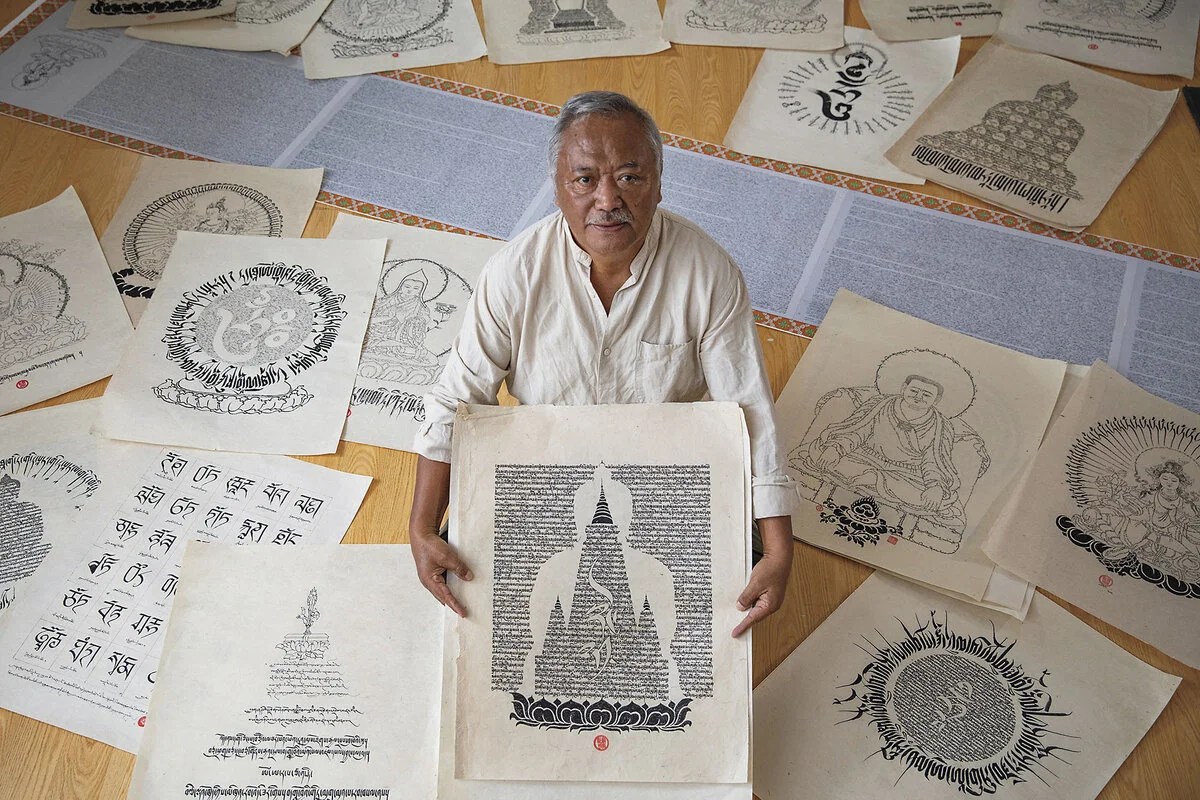
The World's Longest Calligraphy Scroll: A 163.2-Metre Achievement
In 2010, Tibetan master calligrapher Jamyang Dorjee Chakrishar achieved an extraordinary milestone by creating the world’s longest calligraphy scroll, measuring 163.2 metres in length.
The achievement was recognised by the World Record Academy and brought international attention to Tibetan calligraphy, traditional writing practices and the cultural significance of handmade paper.
Unlike an ordinary scroll created for decoration, this work carried deep spiritual and cultural importance. It brought together long-life prayers composed by 32 great spiritual masters of Tibet for His Holiness the 14th Dalai Lama.
The scroll contains approximately 65,000 Tibetan characters, carefully written using traditional Tibetan calligraphy styles. The work took approximately six months to complete, requiring extraordinary patience, concentration, technical ability and dedication.
The different calligraphic styles used in the scroll include:
- Tsugring
- Tsugthung
- Tsugma Kyug
- Kyug forms of U-med calligraphy
According to the appreciation letter shared with THP Nepal, the historic work was written in traditional Tibetan U-med calligraphy on Tibetan/Nepali handmade paper produced by THP’s factory.
The achievement demonstrates the importance of selecting appropriate paper for traditional calligraphy. Every sheet contributes to the final appearance, consistency and quality of a large-scale manuscript. For a scroll extending more than 160 metres, the paper becomes an essential part of the artistic process.
The accomplishment therefore represents more than the skill of the person holding the writing instrument. It also reflects the craftsmanship of the people who prepare the material on which the artwork is created.
THP Nepal: The Paper Manufacturer Behind the Historic Scroll
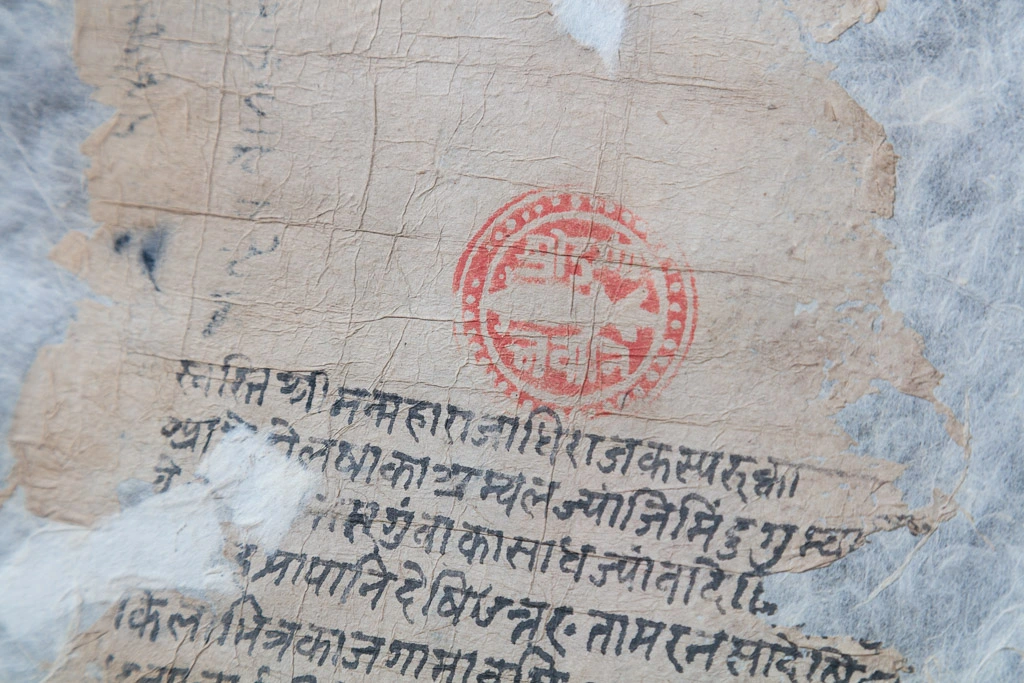
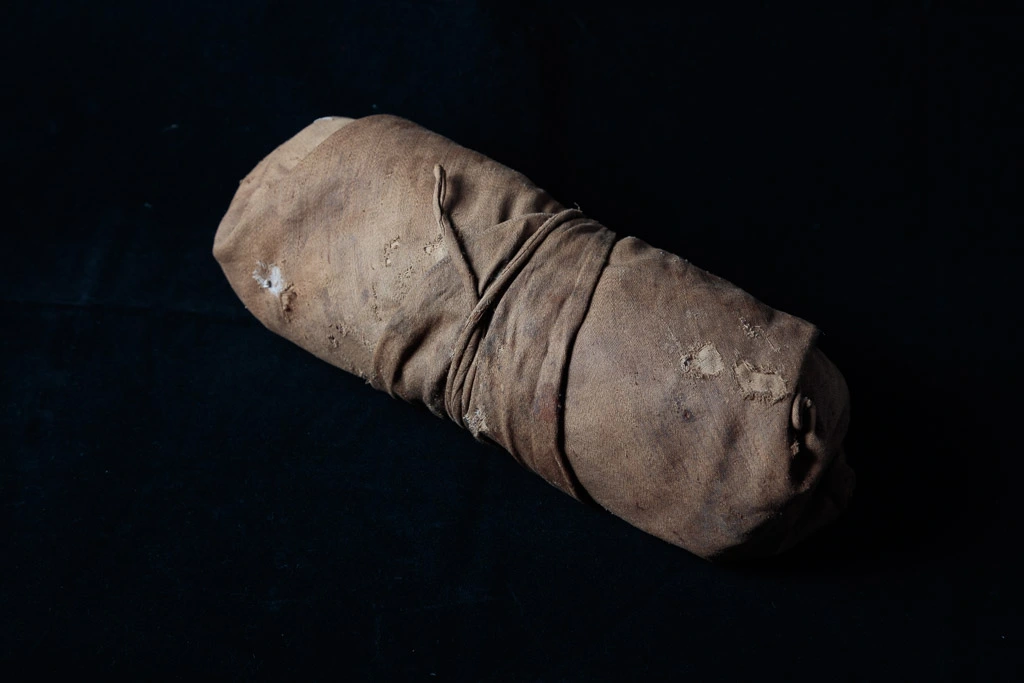
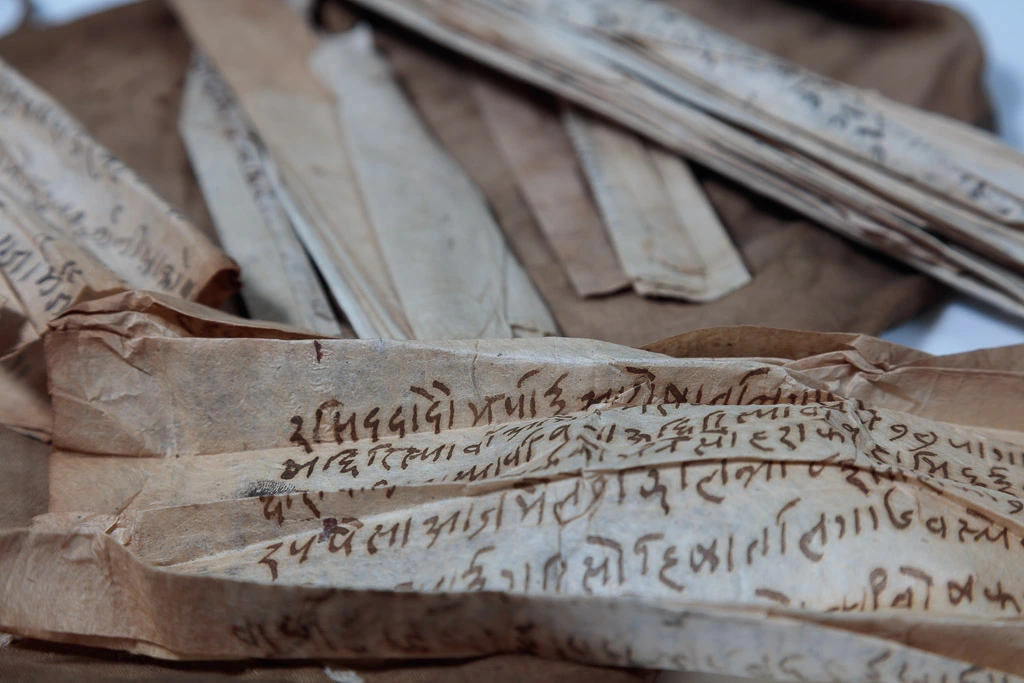
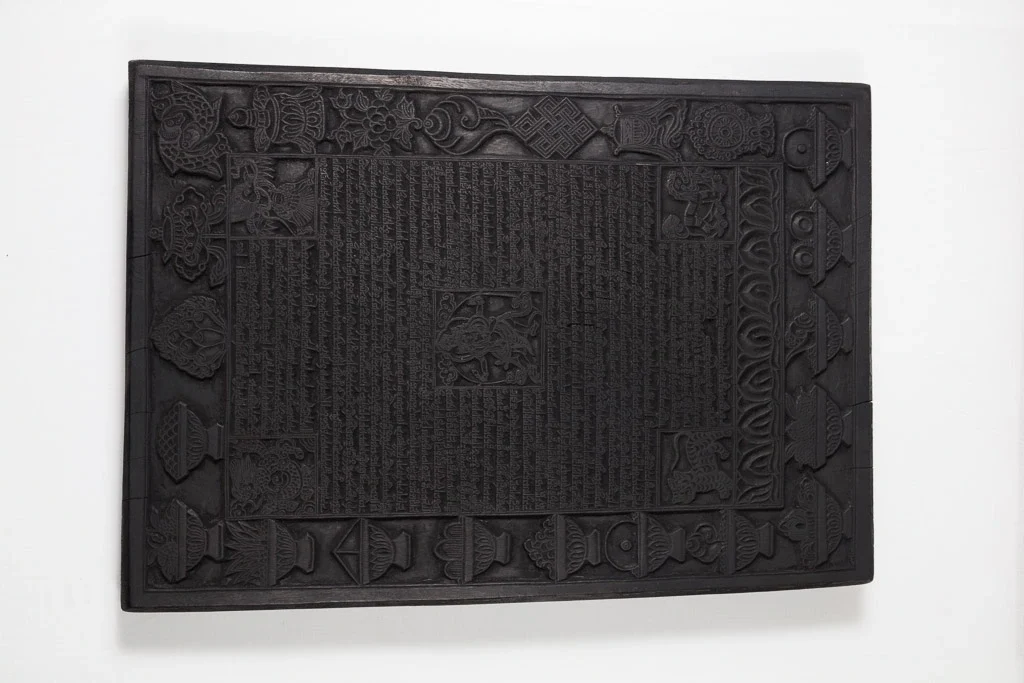
Tibetan Handicraft & Paper Pvt. Ltd., widely known as THP Nepal, played an important role in supplying the handmade paper used for the world’s longest calligraphy scroll.
Established in 1995 in Dolakha, Nepal, THP began its journey with a commitment to preserving traditional handmade paper production and making Nepali paper available to a wider market.
Over the years, the company has developed its manufacturing expertise, product range and relationships with artisans, customers and international buyers.
THP’s involvement in the longest calligraphy scroll reflects the company’s connection with Tibetan and Himalayan paper traditions. Its handmade paper was selected for a project that required a material capable of supporting an extraordinary amount of traditional writing.
For THP, supplying paper for this historic work was not simply another manufacturing order. It was an opportunity to contribute to an important piece of Tibetan cultural heritage.
The company takes particular pride in knowing that paper manufactured in Nepal became the foundation for a work recognised internationally.
The Friendship Between Jamyang Dorjee Chakrishar and Mr. Nimto Sherpa
One of the most meaningful aspects of this achievement is the personal relationship behind it.
Jamyang Dorjee Chakrishar was a close friend of Mr. Nimto Sherpa and the THP family. Their relationship extended beyond a conventional business connection. They shared an appreciation for Tibetan culture, traditional craftsmanship and the importance of preserving handmade paper.
During his visit to Nepal, Jamyang stayed with the THP family and spent time at the company’s factory. He was welcomed into the manufacturing environment and had the opportunity to understand the complete journey of handmade paper production.
He visited the factory facilities, observed the different stages of manufacturing and learned how the traditional paper-making process transformed natural fibres into finished sheets.
This experience allowed him to see the work, knowledge and dedication behind every piece of handmade paper.
For a calligrapher planning a project of such scale and significance, understanding the material and its manufacturing origin was particularly valuable.
The relationship between Jamyang and Mr. Nimto Sherpa created a connection between the artist and the manufacturer. It brought together a master of Tibetan calligraphy and a Nepali paper manufacturer whose work was rooted in traditional Himalayan craftsmanship.
When the project progressed, THP Nepal supplied the handmade paper that would eventually become the foundation of the historic scroll.
It is this friendship, combined with traditional manufacturing expertise, that makes the story especially meaningful to the THP family.
How THP Nepal Manufactured the Paper for the Longest Calligraphy Scroll
The paper used for the longest calligraphy scroll came from THP Nepal’s traditional handmade paper production.
Making handmade Lokta paper involves multiple stages of preparation and craftsmanship. Unlike ordinary industrial paper, which is manufactured through automated production systems, handmade paper relies on skilled handling, traditional techniques and careful attention throughout the process.
THP’s manufacturing heritage is connected to the traditional paper-making practices of Nepal, where Lokta fibre has been used for generations.
1. Selecting Natural Lokta Fibre
Lokta paper begins with the inner bark fibre of the Lokta shrub, commonly associated with the Himalayan regions of Nepal.
Lokta is valued for its natural fibres and suitability for handmade paper production. Its use connects the finished paper with Nepal’s mountain environment and traditional craft communities.
Responsible harvesting practices are important for maintaining the long-term availability of Lokta resources and supporting sustainable production.
2. Preparing and Processing the Fibre
After harvesting, the bark undergoes preparation before it can be transformed into pulp.
The material is cleaned and processed to prepare suitable fibres for paper production. Traditional processing methods help retain the natural characteristics that make handmade Lokta paper distinctive.
The quality of fibre preparation contributes to the consistency, texture and strength of the finished sheet.
3. Preparing the Paper Pulp
The processed fibre is cooked and softened using traditional production methods before being beaten into pulp.
This stage helps break down the material and prepare it for sheet formation.
The pulp is mixed with water to create a workable fibre suspension. Careful preparation is important because the distribution of fibres influences the final paper’s appearance and structure.
4. Forming Individual Handmade Sheets
The prepared pulp is distributed using traditional frames and screens to form individual sheets.
This is one of the defining stages of handmade paper production. The movement and distribution of fibres determine the thickness, texture and overall appearance of each sheet.
Unlike mass-produced paper, handmade Lokta paper retains subtle natural characteristics that reflect the production process and the skills of the artisans.
5. Pressing and Removing Excess Water
Once the sheet is formed, excess water is removed through pressing.
This helps consolidate the fibres and prepares the paper for drying.
Proper handling during this stage contributes to the sheet’s structure and helps achieve the desired thickness and consistency.
6. Drying and Finishing
The formed sheets are dried using traditional techniques, often involving natural drying methods.
After drying, the sheets are carefully handled and prepared for finishing, inspection and further use.
The final product retains the characteristic appearance of handmade Himalayan paper, making it suitable for artistic, cultural, stationery and specialty applications.
Every stage requires attention to detail. For projects involving large quantities of paper, maintaining consistency throughout production is especially important.
Why THP Nepal's Handmade Lokta Paper Was Important for the Scroll
The world’s longest calligraphy scroll was an exceptional project. Its 163.2-metre length meant that paper was not simply a background material. It was one of the fundamental components of the final artwork.
For a large-scale calligraphy project, the choice of paper matters for several reasons.
Paper Consistency Across a Long Scroll
A scroll extending more than 160 metres requires careful consideration of consistency.
Differences in thickness, texture and surface characteristics can affect the appearance of the finished work.
Handmade paper production requires attention to fibre distribution, sheet formation and finishing to achieve a suitable and consistent result.
THP Nepal’s role as the manufacturer made it part of this important material preparation process.
A Suitable Surface for Traditional Calligraphy
Traditional calligraphy requires a suitable writing surface.
The natural texture and fibre characteristics of handmade Tibetan/Lokta paper make it an established material for traditional artistic and cultural applications.
The appreciation letter from Jamyang Dorjee Chakrishar specifically confirms that the scroll was written in traditional Tibetan U-med calligraphy on Tibetan/Nepali handmade paper from THP’s factory.
This is an important part of the company’s historical contribution to the project.
Supporting a Culturally Significant Artwork
The scroll was created to bring together long-life prayers composed by spiritual masters of Tibet.
Its purpose and cultural significance made the selection of appropriate paper particularly meaningful.
By manufacturing the paper used in this project, THP Nepal became connected to an artwork that preserved traditional Tibetan writing and spiritual expression on handmade Nepali paper.
Handmade Paper With a Heritage Behind It
The story of the scroll also reflects the wider heritage of Nepali handmade paper.
Lokta paper is valued for its natural appearance, handcrafted texture and association with Himalayan traditions.
THP Nepal continues to produce handmade paper for artistic, commercial and specialty applications, helping traditional manufacturing knowledge reach customers around the world.
The Appreciation Letter: A Personal Recognition From the World Record Holder
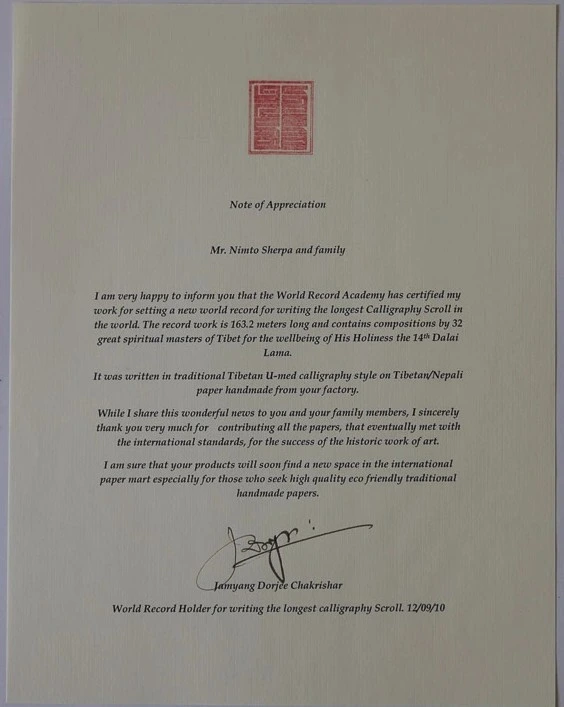
An especially meaningful part of this story is the appreciation letter sent by Jamyang Dorjee Chakrishar to Mr. Nimto Sherpa and his family.
The letter communicates his happiness after the World Record Academy certified his work for setting a new world record for the longest calligraphy scroll.
In the letter, he confirms that the record-setting work measured 163.2 metres and contained compositions by 32 great spiritual masters of Tibet for the wellbeing of His Holiness the 14th Dalai Lama.
Most importantly for THP Nepal, the letter explicitly acknowledges that the scroll was written in traditional Tibetan U-med calligraphy on Tibetan/Nepali handmade paper produced by the company’s factory.
Jamyang also expresses his sincere appreciation to the THP family for contributing to the paper that helped make the historic work possible.
He recognises that the contribution of the handmade paper was part of the success of the artwork and expresses confidence that THP’s products would find a place in the international paper market, particularly among buyers seeking high-quality, environmentally friendly traditional handmade paper.
This letter is more than a personal message of gratitude. It is a historical document connecting THP Nepal’s manufacturing work with an internationally recognised calligraphy achievement.
For the THP family, receiving this appreciation from a close friend and world record holder remains a source of pride.
It represents a meaningful moment in the company’s journey and demonstrates how traditional craftsmanship can contribute to achievements beyond the manufacturing industry.
Certifications & Partnerships
Our commitment to quality and sustainability is verified through partnerships with respected organizations including fair-trade initiatives, environmental certifications, and artisan support networks. These partnerships validate our practices and ensure ongoing accountability to international standards.
The Cultural Significance of the Longest Calligraphy Scroll
The longest calligraphy scroll represents an important connection between Tibetan language, artistic expression, spiritual tradition and traditional paper craftsmanship.
Tibetan calligraphy is more than the act of writing words beautifully. It is a cultural practice through which language, knowledge, religious teachings and historical records have been preserved.
For generations, handwritten manuscripts and handmade paper have played important roles in the transmission of Tibetan Buddhist teachings and cultural knowledge.
The 163.2-metre scroll brought this tradition into an extraordinary contemporary achievement.
Its approximately 65,000 Tibetan characters and prayers composed by 32 spiritual masters represent a significant collection of spiritual writing.
The use of traditional U-med and other Tibetan calligraphic styles demonstrates the artistic diversity of Tibetan writing.
The work also illustrates how traditional materials remain relevant in modern times.
While digital communication has transformed how people record and share information, handmade paper continues to have an important place in calligraphy, manuscripts, art, publishing and cultural preservation.
THP Nepal is proud that its handmade paper contributed to this important example of Tibetan cultural expression.
What Makes Tibetan Handmade Paper Different From Ordinary Paper?
Tibetan handmade paper, commonly associated with Nepali Lokta paper, has a distinctive identity based on its natural fibres, traditional production methods and cultural history.
Its characteristics make it suitable for a variety of applications, including calligraphy, artwork, books, stationery and decorative products.
Some of its notable qualities include:
Natural fibre composition: Lokta paper is produced from the inner bark fibre of the Lokta shrub, giving it a distinctive natural origin.
Handcrafted texture: Individual sheets retain the characteristic appearance of handmade production.
Traditional heritage: Its history is connected with Himalayan communities and the preservation of cultural and written traditions.
Artistic versatility: The paper can be used for calligraphy, painting, drawing, printing and other creative applications, depending on its specifications.
Distinctive appearance: Its natural texture and handmade character give finished products a different appearance from ordinary machine-made paper.
Specialty applications: It is used in journals, notebooks, greeting cards, invitations, packaging, book covers, decorative paper products and cultural artwork.
The world record scroll is one example of how this traditional material can become part of an exceptional artistic project.
Ready to Order? Contact our B2B team at [email protected] or call +977 014820727 to discuss your specific requirements, receive samples, and get competitive quotes for your project.
THP Nepal: Continuing the Tradition of Handmade Lokta Paper
The longest calligraphy scroll is one of the most meaningful examples of THP Nepal’s connection with traditional Tibetan and Nepali paper heritage.
However, the company’s work extends beyond this historic project.
Established in 1995 in Dolakha, Nepal, Tibetan Handicraft & Paper Pvt. Ltd. has developed its manufacturing and export operations over more than three decades.
Today, THP operates from Budhanilkantha, Kathmandu, and works with a network of artisan partners to produce handmade Lokta paper and a wide range of paper-based products.
The company combines traditional craftsmanship with the production capabilities required by contemporary businesses and international buyers.
Its products include:
- Natural handmade Lokta paper
- Tibetan and Nepali handmade paper
- Coloured Lokta paper
- Printed handmade paper
- Wave printed paper
- Crystal printed paper
- Flower printed paper
- Tiger printed paper
- Marbled paper
- Batik paper
- Natural flower and seed paper
- Bodhi leaf paper
- Tibetan lotus paper
- Calligraphic and Tibetan alphabet papers
- Handmade journals and notebooks
- Photo albums
- Lidded and hinged gift boxes
- Custom handmade paper products
This product range demonstrates the versatility of traditional handmade paper.
From a historic calligraphy scroll to contemporary stationery and premium packaging, THP’s manufacturing expertise serves different creative and commercial requirements.
From a Historic Calligraphy Scroll to International Paper Markets
The story of the longest calligraphy scroll demonstrates that handmade paper from Nepal can serve projects of exceptional cultural and artistic significance.
It also represents the wider potential of traditional handmade paper in international markets.
Today, designers, artists, publishers, stationery manufacturers, gift companies and packaging brands increasingly look for materials that offer more than basic functionality.
They want products with an identifiable origin, distinctive appearance and authentic manufacturing story.
Lokta paper offers these qualities through its natural fibre composition, handcrafted production and connection with Himalayan heritage.
THP Nepal supplies handmade paper and finished paper products for customers and businesses across international markets, including North America, Europe, Australia and Asia.
For wholesale buyers, the company offers opportunities to explore different paper varieties, sizes, colours, patterns and custom requirements.
The same manufacturing heritage that contributed to a historic calligraphy project continues to support the company’s work with contemporary creative businesses.
Why Choose THP Nepal for Handmade Tibetan and Lokta Paper?
Choosing a handmade paper manufacturer involves more than selecting a particular texture or colour. Buyers need to consider manufacturing experience, product consistency, customisation, communication and supply capabilities.
THP Nepal brings together traditional manufacturing knowledge and international business experience.
More Than Three Decades of Experience
Established in 1995, THP has a long history of producing handmade paper in Nepal.
Its experience includes traditional paper production, finished paper products and international supply.
A Connection With Traditional Craftsmanship
THP’s work is rooted in the heritage of Nepali handmade paper and the knowledge of the artisans involved in its production.
A Wide Selection of Handmade Paper
The company produces different types of handmade paper and paper-based products for creative, commercial and specialty applications.
Customisation for International Buyers
Businesses can discuss specific requirements relating to paper varieties, colours, prints, dimensions, thickness and finished products.
A Manufacturing Story With International Recognition
The use of THP Nepal’s handmade paper in the 163.2-metre world-record calligraphy scroll is an important part of the company’s history.
It demonstrates the connection between Nepali manufacturing craftsmanship and a globally recognised artistic achievement.
Supporting Traditional Paper Craft
By working with handmade paper and artisan production networks, THP contributes to the continuation of traditional manufacturing skills and the availability of Nepali handmade paper for future generations.
Frequently Asked Questions
Who manufactured the paper used for the world's longest calligraphy scroll?
The handmade Tibetan/Nepali paper used for the world’s longest calligraphy scroll was manufactured by Tibetan Handicraft & Paper Pvt. Ltd. (THP Nepal). The paper was produced at THP’s factory in Nepal and used by master calligrapher Jamyang Dorjee Chakrishar for his historic 163.2-metre-long work.
Who created the world's longest calligraphy scroll?
Tibetan master calligrapher Jamyang Dorjee Chakrishar created the 163.2-metre-long calligraphy scroll in 2010. The work was recognised by the World Record Academy.
What paper was used for the longest calligraphy scroll?
The scroll was written on handmade Tibetan/Lokta paper manufactured in Nepal by THP Nepal. Japanese Sumi ink was used for the calligraphy.
Why was THP Nepal's paper used for the record-breaking scroll?
Jamyang Dorjee Chakrishar was a close friend of Mr. Nimto Sherpa and the THP family. He visited the company’s factory, learned about its traditional paper-making processes and developed a direct understanding of its handmade paper production. THP supplied the paper used for his historic calligraphy project.
What is written on the world's longest calligraphy scroll?
The scroll contains long-life prayers composed by 32 great spiritual masters of Tibet for His Holiness the 14th Dalai Lama. It was written in traditional Tibetan calligraphy styles and contains approximately 65,000 Tibetan characters.
How is lokta paper actually made?
The process begins with harvesting the inner bark of lokta plants sustainably. The bark is dried and processed into pulp, mixed with pure water to create a fiber suspension, formed into sheets using wooden frames and screens, pressed to remove excess water, and dried naturally in the sun. This chemical-free, entirely handmade process is unchanged from methods used for centuries.
Does THP Nepal manufacture handmade paper in Nepal?
Yes. Tibetan Handicraft & Paper Pvt. Ltd. manufactures handmade Lokta paper and paper-based products in Nepal. The company was established in Dolakha in 1995 and is now based in Budhanilkantha, Kathmandu.
Does THP Nepal supply handmade paper internationally?
Yes. THP works with international customers and supplies handmade paper and paper products to markets across North America, Europe, Australia and Asia. Businesses can contact the company for product information, samples and wholesale enquiries.
Can international businesses order custom Lokta paper from THP Nepal?
Yes. THP works with buyers who have specific requirements relating to paper types, sizes, colours, printed patterns, thickness and finished paper products. Buyers can contact the company to discuss customisation and bulk orders.
How can I order or request samples?
You can browse and order products through our website at tibetanhandicraftpaper.com/products. To request samples before placing a larger order, contact us via our contact form, email ([email protected]), phone (+977 014820727), or WhatsApp (+977 9767221657).
THP Nepal: A Legacy Written on Handmade Paper
The world’s longest calligraphy scroll is a remarkable example of what can happen when artistic dedication meets traditional craftsmanship.
Jamyang Dorjee Chakrishar transformed handmade Tibetan/Nepali paper into a 163.2-metre work of calligraphy, bringing together approximately 65,000 Tibetan characters and prayers from 32 spiritual masters of Tibet.
For THP Nepal, the achievement represents something deeply personal.
The friendship between Jamyang and Mr. Nimto Sherpa, his visit to the factory, his understanding of the manufacturing process and his appreciation letter to the THP family all form an important part of this story.
The handmade paper that began its journey in Nepal became the foundation of an internationally recognised artistic achievement.
It is a reminder that the value of handmade paper goes beyond its physical form. Every sheet represents natural materials, skilled craftsmanship, traditional knowledge and the people who continue to preserve these practices.
Tibetan Handicraft & Paper Pvt. Ltd. (THP Nepal) is proud to have manufactured the handmade paper used for the world’s longest calligraphy scroll.
From the Himalayan traditions of Lokta papermaking to the creation of a historic work of Tibetan calligraphy, THP continues to bring the craftsmanship of Nepal to the world.
Thank you for considering Tibetan Handicraft & Paper for your paper needs. We look forward to partnering with you on your next project.
Experience the Difference Handmade Quality Makes
Get in Touch
📧 Email: [email protected]
📞 Phone: +977 014820727 / +977 014820728
💬 WhatsApp: +977 9767221657
📍 Location: Budhanilkantha – 11, Kathmandu, Nepal


 Trustindex verifies that the original source of the review is Google.
 Trustindex verifies that the original source of the review is Google.
 Trustindex verifies that the original source of the review is Google.
 Trustindex verifies that the original source of the review is Google.

 Trustindex verifies that the original source of the review is Google.
 Trustindex verifies that the original source of the review is Google.